
There are over 1.96 million apps available in the iOS App Store ecosystem, according to SQ Magazine. Still, only a small share of these apps achieve long-term success, with the average 30-day app retention rate on the App Store at just 3.7%. Most iOS apps were built by developers who knew Swift. Few were built by developers who understood the product.
Technical skill is a must. What really makes a Swift project succeed is how a developer works in practice. How do they take ownership? Can they deal with ambiguity? Do they flag blockers early? Can they keep communication clear? Those factors decide whether a project ships on time and scales cleanly.
This guide covers the nine traits we evaluate when hiring Swift developers at Volpis, and why each one matters beyond the technical interview.
Top 9 traits to look for when hiring a Swift developer
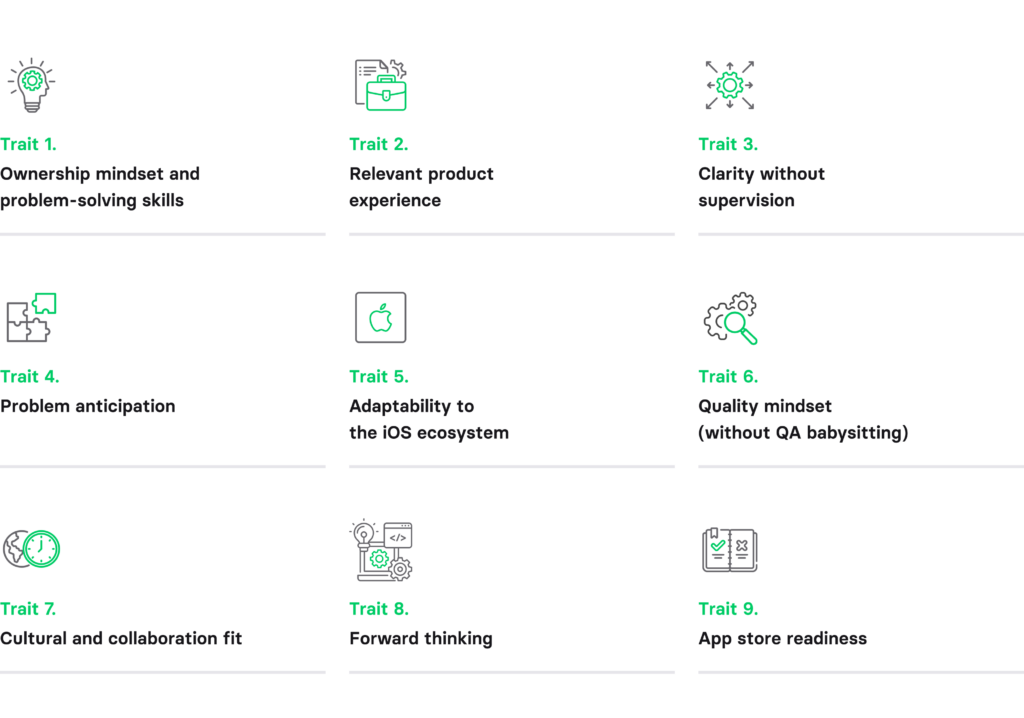
What to look for when hiring a Swift developer? Here are the qualities that go beyond technical capabilities and hint at someone who can truly contribute to the product.
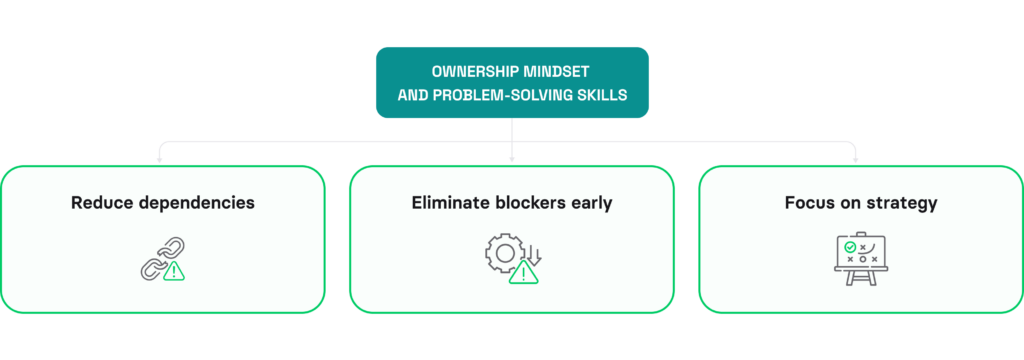
1. Ownership mindset and problem-solving skills
Some developers wait for direction. The best ones take initiative – they clarify requirements, flag blind spots, and maintain momentum without being micromanaged. Such Swift developers don’t just complete tickets – they think like product owners.
These Swift app developers ask the hard questions early and surface issues others might miss. For them, the picture goes beyond the codebase. Such specialists embrace product thinking. Such ownership is immediately seen in their communication and ability to handle unclear situations.
Why it matters: Developers who take ownership reduce dependencies, eliminate blockers early, and free up your team to focus on strategy instead of chasing delivery.
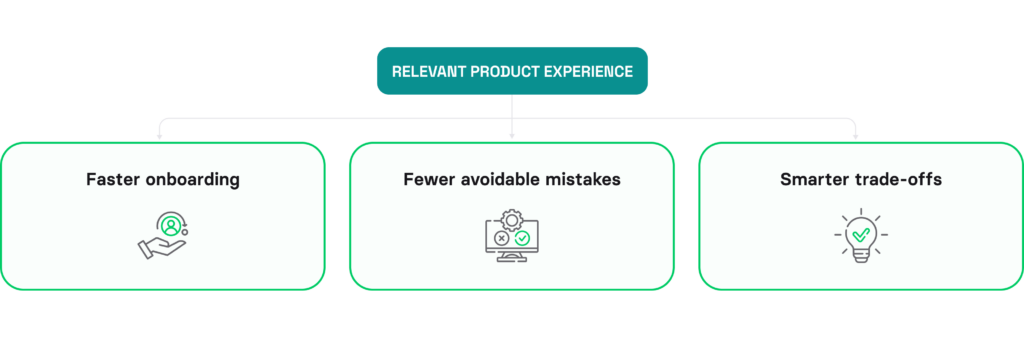
2. Relevant product experience
Past projects tell you more than resumes. Developers who’ve shipped production mobile apps usually make better decisions under real constraints.
Look for experience with things like real-time data, offline mode, scaling, and performance optimization. Deployment cycles matter too. So does experience working with user feedback after launch. Not all mobile experiences are equal. There is a big difference between the project focused on building a simple utility app and maintaining a fleet-tracking platform that has to run reliably 24/7.
Why it matters: Contextual experience means faster onboarding, fewer avoidable mistakes, and smarter trade-offs at every phase of development.
3. Clarity without supervision
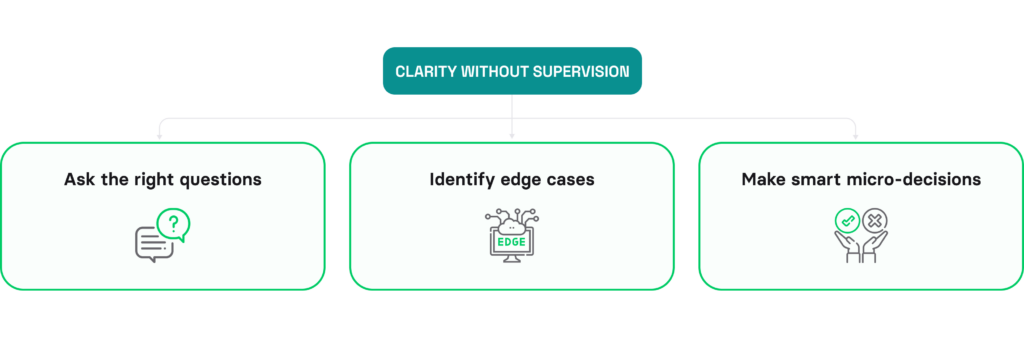
Good Swift developers don’t stall when a ticket lacks detail. They identify edge cases, ask the right questions, and propose solutions before scope confusion derails a sprint. They have the product sense and technical aptitude to make sound decisions independently, and the communication discipline to confirm those choices when it counts. In teams without a full-time BA or product manager, this capability becomes a significant force multiplier.
Why it matters: When your PO isn’t available, you need someone who keeps shipping – not someone waiting on answers.
4. Problem anticipation
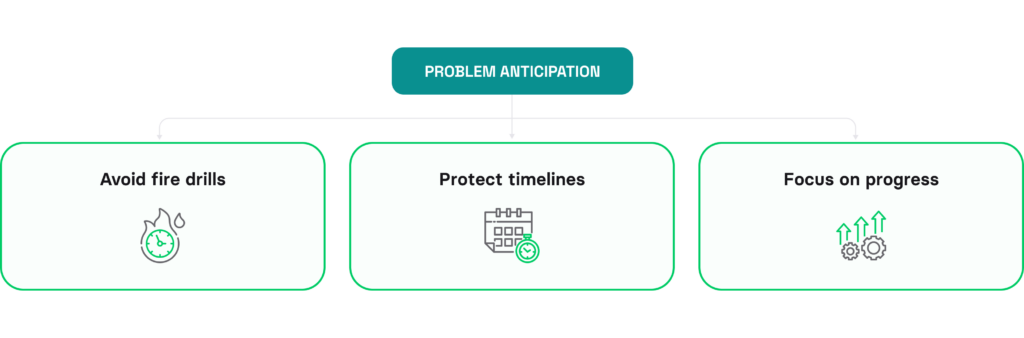
Every product encounters surprises – broken APIs, inconsistent designs, third-party failures. What separates strong developers is how early they see them coming. The best Swift developers can:
- Catch integration risks early
- Point out technical debt before it grows
- Suggest better approaches before small issues turn into bigger problems
That’s what keeps delivery predictable instead of reactive.
Why it matters: Anticipating problems protects timelines, reduces last-minute escalations, and keeps the team focused on progress rather than damage control.
5. Adaptability to the iOS ecosystem
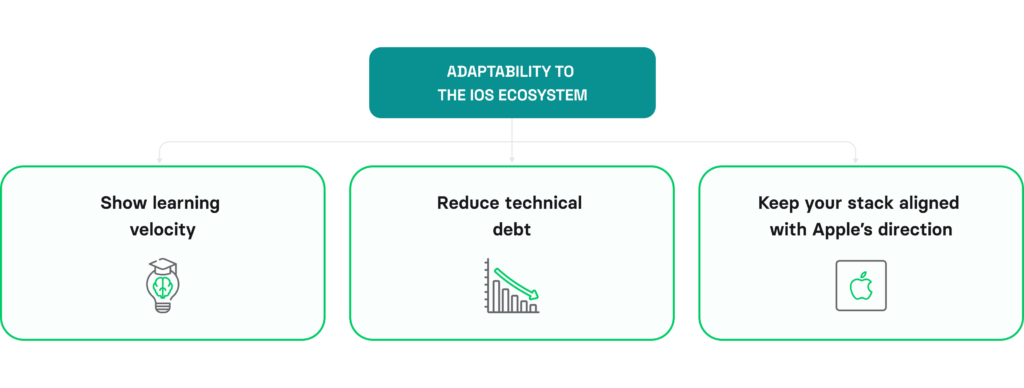
Swift doesn’t sit still. Apple shifts things almost every year. For instance, this March, they already released Swift 6.3, the framework’s latest version. SwiftUI, Combine, structured concurrency – all of them changed how iOS work gets done. What matters is how fast someone adapts. Not just what they already know. Strong candidates keep up with WWDC, read Apple docs, and test new APIs early. When things are unclear, they don’t freeze – they figure it out and move on.
Why it matters: Adaptable developers reduce technical debt and keep your stack aligned with Apple’s direction rather than anchored to deprecated patterns.
6. Quality mindset (without QA babysitting)
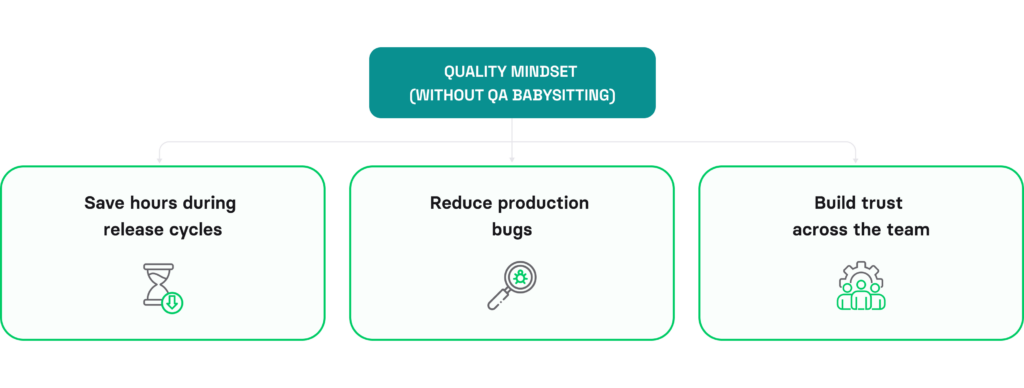
Testing isn’t a final step. Good Swift developers treat it as part of the work from the start. They write tests, think about edge cases, and don’t assume QA will catch everything. Core business logic is covered with XCTest, key flows get automated, and crash reports plus analytics help them spot issues after release. For them, quality isn’t just avoiding crashes – it’s knowing the app will hold up in real use.
Why it matters: A quality-focused developer shortens release cycles, reduces production incidents, and builds trust across the team over time.
7. Cultural and collaboration fit
Technical ability degrades quickly in the wrong team dynamic. Clear async communication matters just as much as clean code. So do timezone overlap and transition of ownership.
Developers who explain blockers clearly, leave useful PR comments, and work smoothly with QA and design teams tend to deliver more than those who are stronger technically but harder to work with.
Collaboration isn’t a “nice to have” – it’s what keeps delivery moving fast.
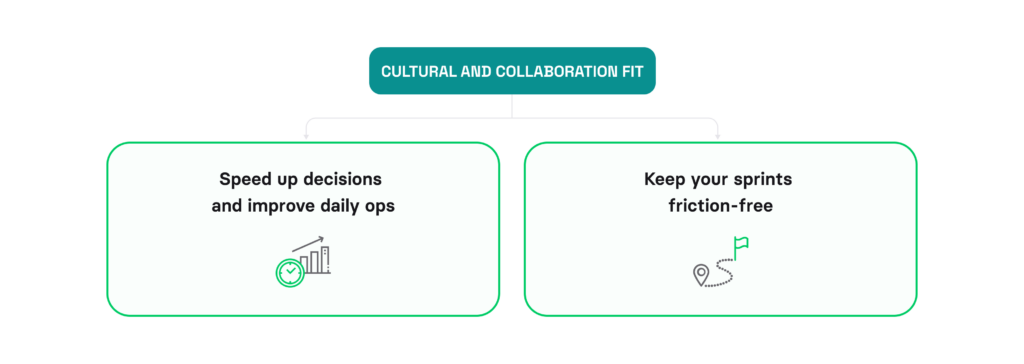
Why it matters: Strong team fit accelerates decision-making, reduces daily friction, and sustains sprint performance – particularly in remote or distributed setups.
8. Forward thinking
It is one of the most important good Swift developer traits, especially for long-term projects. You are not building for today alone. The best Swift developers write code with future teammates, feature additions, and load growth in mind. They plan for extensibility, document their decisions, and refactor preemptively rather than reactively. They don’t just resolve the current ticket – they ask what happens when usage doubles next quarter.
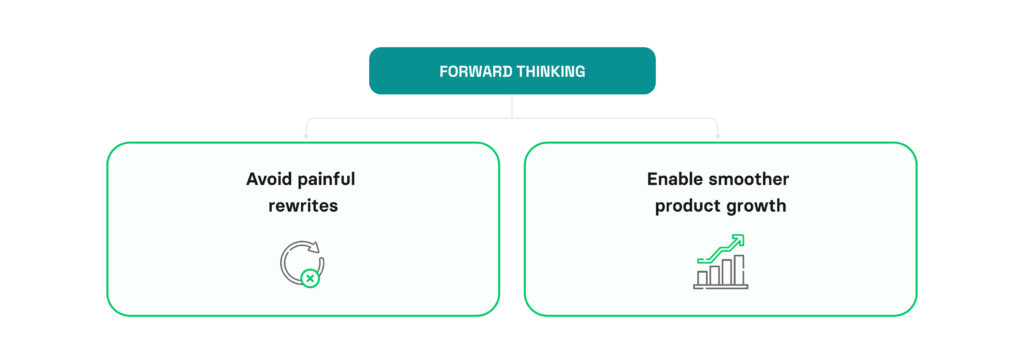
Why it matters: Developers who think ahead reduce the frequency of painful rewrites and support smoother product growth without requiring re-architecture at every scale milestone.
9. App store readiness
Skilled Swift developers consider App Store policies before they start working on an app. Fixing the things once the app is built is less efficient, and they certainly know it.
They’ve dealt with App Store rejection reasons before and understand what usually causes them – privacy issues, design violations, missing disclosures, or performance problems. They’re also comfortable with things like ATT, background location rules, and basic performance requirements. For them, submission readiness is part of the work, not a final step.
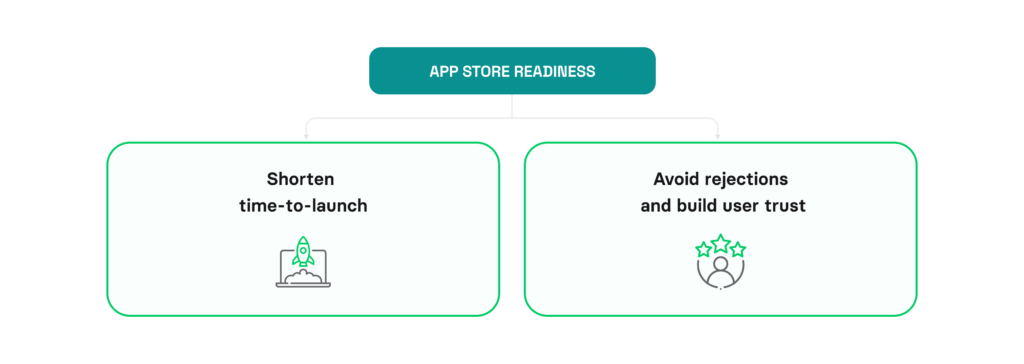
Why it matters: App Store-aware development shortens time-to-launch, reduces rejection risk, and establishes user trust from the first install.
Final thoughts
Hiring a Swift developer is a product decision, not just a technical one. The nine Swift developer qualities above are not a wish list – they are the practical difference between a developer who completes work and one who advances a product.
By looking at these traits, you can tell if a Swift developer is ready to take ownership, work well with others, handle new challenges, and actually add value to the project. You’ll see it in interviews, past work, and pretty quickly once they join the team.
We at Volpis are ready to provide you with Swift developers that correspond to this standard.
Hire Swift developers to build iOS apps that align with your business goals
FAQs
How do you validate that a Swift developer can help ensure a mobile app runs smoothly across different Apple devices?
Ask how they handle device differences during development. You may rely on some kind of an iOS developer hiring checklist. Experienced developers will mention using Xcode and the Simulator to test different screen sizes. They’ll also talk about Auto Layout and Size Classes for adaptive UI. For performance, they should know how to use Instruments to profile apps on newer and older devices.
A good Swift developer interview question to ask: “How do you test your apps across different Apple devices?”
What role does unit testing play in iOS development, and should I expect it from every Swift developer?
Yes, unit testing should be part of the job. Especially for business logic, data handling, and core features. XCTest is the standard tool for this.
Good developers know what’s worth testing and what isn’t. They also think about testability while writing code, not after. Full coverage isn’t realistic, but a lack of a testing mindset is one of the major Swift developer red flags.
One of the key iOS developer interview questions here is: “What parts of your code do you usually cover with tests?”
How to evaluate a Swift developer in terms of ability to work in a fast-paced product environment?
– Ask about a time priorities changed or a deadline got tight.
– Check how they reacted, not just what they built.
– Look for early communication, not silence under pressure.
– See if they stayed calm and kept moving.
– Watch for smart trade-offs instead of “perfect solution” thinking.
– Make sure they can adjust quickly without losing focus.
Should I prioritize SwiftUI experience over UIKit in 2026?
For new apps, SwiftUI should be the default choice. It’s where Apple is clearly heading. But UIKit still matters for legacy code and more complex UI work.
The best developers know both. They understand when to use each and can work across both in the same project if needed.
How can I tell if a Swift developer understands business impact, not just code?
Ask how they define success beyond “it works.” Strong developers talk about users, retention, performance, or other product metrics.
They connect their work to outcomes, not just features.
How do I know if I’m hiring the right Swift developer with the technical expertise, knowledge, and problem-solving skills my product needs?
Look for more than coding ability. A strong developer understands iOS architecture, solves real product problems, and makes good technical decisions under constraints.
Past projects matter more than polished app descriptions. You want someone who’s shipped real features and can scale with your product.
Before you start interviewing, it’s worth deciding how you want to hire – our guide to in-house vs. dedicated teams vs. outsourcing walks through the trade-offs of each engagement model